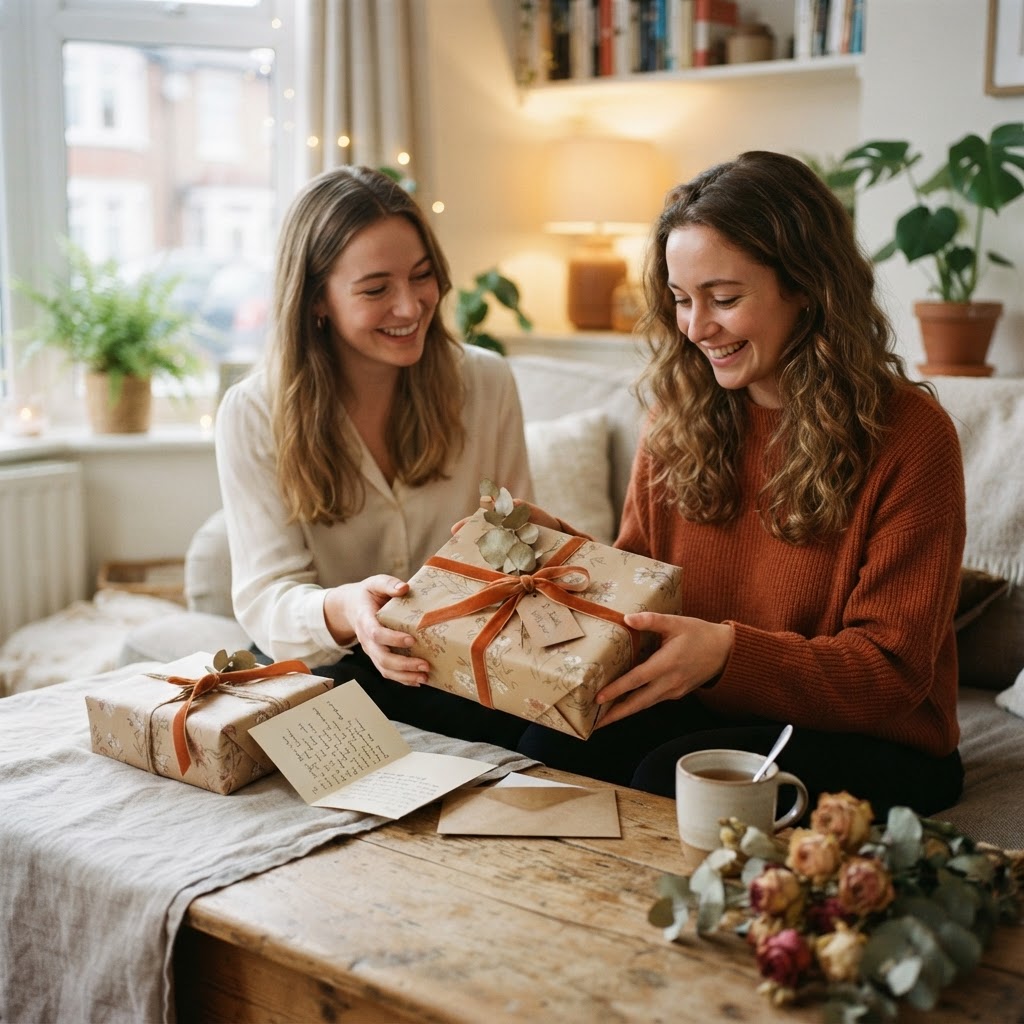
What to Buy Someone Who Has Everything
What to Buy Someone Who Has Everything
We all know someone like this. They buy what they want when they want it. If something breaks, they replace it. If they fancy something new, they get it. By the time their birthday rolls around, you're standing in a shop — or doom-scrolling online — wondering what on earth you're supposed to get them.
Here's the thing: the problem isn't that they have everything. It's that you're still thinking in objects. The moment you stop asking "what can I buy them?" and start asking "what can I give them?", the whole exercise changes.
Why Objects Usually Fail This Person
When someone has the disposable income (or the organisational habit) to already own the things they need, any object you choose risks one of three fates: it sits unused in a drawer, it gets quietly donated, or — worse — they already have it.
There's also a subtler problem. Buying a physical item for someone who has everything often signals that you didn't think very hard. A nice candle or a generic hamper says "I ran out of ideas" more loudly than you'd hope. The recipient usually knows it too, even if they're too polite to say so.
The fix isn't to spend more money on a fancier object. It's to change the category entirely.
Experiences: The Obvious Answer, Done Well
Experiences are the go-to advice for this situation, and that's because they genuinely work — but only if you choose with intention rather than just picking the first activity voucher you find.
The mistake most people make with experience gifts is being too vague. A general "spa day for two" from a national voucher company is fine, but it's forgettable. The better move is to match the experience to something specific about the person.
- A private whisky tasting for two at a specialist distillery or whisky bar (common in Edinburgh, London, and Manchester) typically runs £60–£120 per person. For someone who already owns a well-stocked drinks cabinet, this adds the one thing they can't buy: curation and guided conversation.
- A half-day pottery or ceramics class (around £55–£85) works brilliantly for someone creative who never makes time for it. You're not giving them a pot — you're giving them an afternoon of making one.
- Restaurant tasting menus at mid-range to high-end restaurants across the UK sit at roughly £75–£150 per head. Pre-booking a specific table at somewhere they've mentioned but never quite got round to booking is far more meaningful than an open voucher.
The key detail: experiences feel personal when they reference something the person has actually said. "You mentioned wanting to try that new place in Bristol" is worth ten generic vouchers.
Consumables: The Most Underrated Category
Consumables are things that get used up — and that's exactly what makes them work. Even someone who has everything runs out of things they love, and unlike objects, consumables don't accumulate.
Fine food and drink is the obvious place to start. A case of natural wine from a small independent merchant (£60–£90), a hamper assembled from a specialist deli rather than a supermarket brand (£45–£120), or a subscription to a quality coffee roaster (£15–£25 per month) — these all feel considered without cluttering anyone's house.
Skincare and grooming consumables also hit differently when chosen well. A full-size version of something they use regularly, but in the premium format they'd never justify buying for themselves (think a high-quality face oil or a shaving set from a proper barber supplier, £30–£70), is the kind of thing people genuinely appreciate.
One caveat: avoid consumables that impose preferences. Don't buy exotic teas for a coffee person, or artisan gin for someone who doesn't really drink. The whole point of this category is that they'll actually get through it.
Personalised Gifts: The Difference Between Sentimental and Cheap
Personalisation is a minefield. Done well, it's the most thoughtful thing you can give. Done badly, it's a novelty mug with their name on it.
The difference comes down to whether the personalisation adds meaning or just adds text. A print created from a specific location — the map coordinates of where they met their partner, the street they grew up on, the view from a favourite holiday — costs around £25–£45 and carries genuine weight. A mug with "World's Best Dad" on it does not.
Other well-executed personalised options:
- A commissioned illustration or portrait from an independent artist (£80–£250 depending on complexity) — Etsy and Not On The High Street are good starting points
- A leather wallet, bag, or notebook with initials or a short phrase embossed (£35–£120) — particularly good for people who use that category of item daily
- A custom star map showing the night sky on a significant date (£25–£50) — sentimental without being saccharine if framed properly
The rule of thumb: would this make sense to a stranger, or only to this specific person? The more specific, the better.
Gifting Their Time Back: The Truly Overlooked Idea
This one doesn't get said enough. For people who are busy, high-achieving, or simply have full lives, the thing they genuinely don't have is time.
A few examples of what this actually looks like in practice:
- A house cleaning session or deep clean booked through a reputable local service (£80–£200 depending on size). Not glamorous. Enormously appreciated.
- A personal styling session with an independent stylist (£100–£200 for a half day) — particularly good for someone going through a life change who hasn't quite had the headspace to address their wardrobe.
- A meal prep or private chef session at home (£150–£300 for an evening) — you eat better than any restaurant, in your own space.
People feel awkward suggesting these as gifts because they sound transactional. They aren't. They're practical acts of care — and for the right person, far more welcome than another bottle of champagne.
A Word on What Not to Do
Before you finalise anything, a few ideas worth avoiding:
- Gift cards for large retailers — unless you know for certain they shop there, this reads as last-minute
- Novelty items of any kind — the "has everything" person doesn't need a gadget that does one quirky thing
- Flowers without context — fine as an addition, not as the main event for a significant gift
- Asking them what they want and then buying exactly that — technically solves the problem, but removes the joy of feeling known
The last point matters. What the person who "has everything" actually wants, even if they'd never say it, is to feel like someone paid attention. That's the whole job.
If you're still not sure where to start, try thinking less about categories and more about the person: what do they complain about never having time for? What have they mentioned wanting to try? What do they consume quickly and happily replenish?
Still drawing a blank? Tell Hint49 a bit about them — their personality, hobbies, and what they already own — and let the app generate ideas tailored to who they actually are, rather than who gift guides assume they are.
The person who has everything doesn't need more things. They need a gift that proves you were paying attention. That's rarer than any object you could buy.

Still stuck on what to buy?
Tell Hint49 a little about them — their interests, your budget, your relationship — and let it find genuinely good ideas for you.
Get Hint49 — it's free