
Gifts for Someone Who Loves Cooking
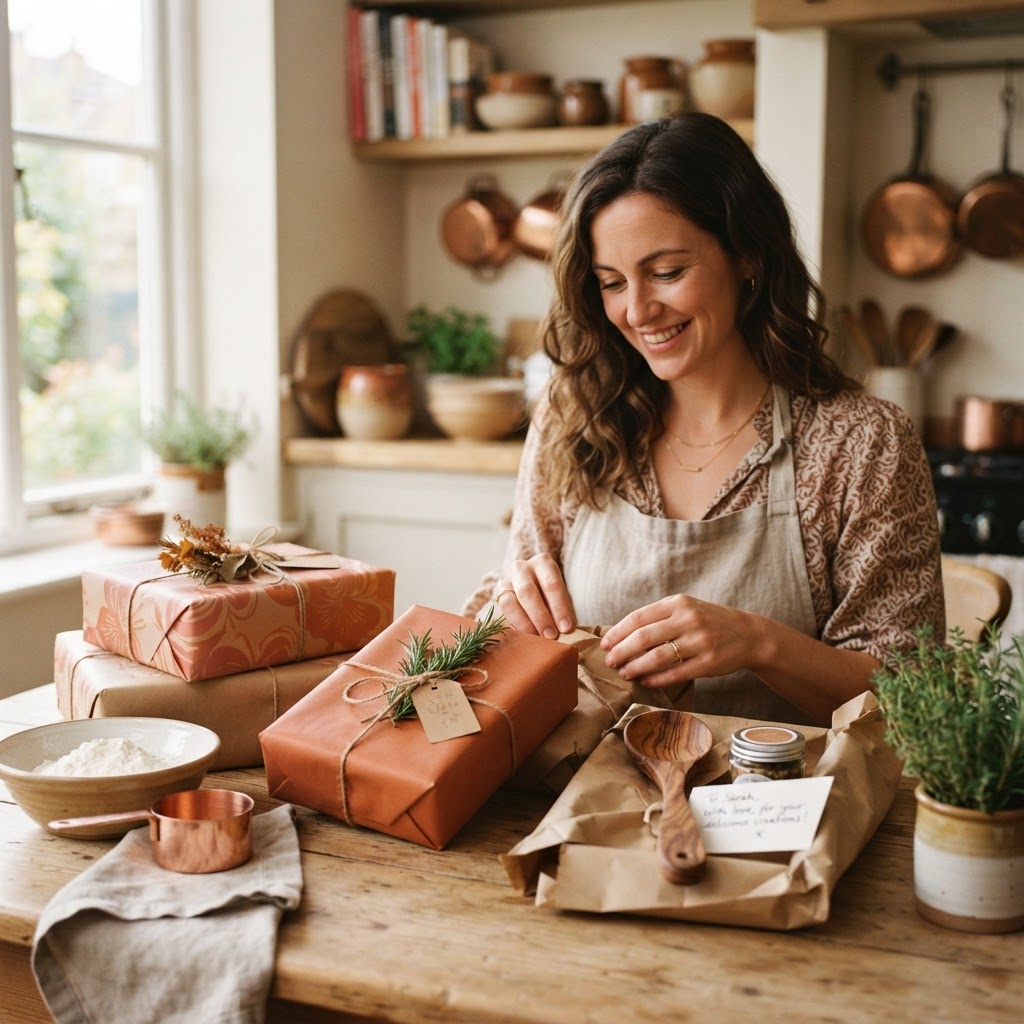
Gifts for Someone Who Loves Cooking
Buying for a keen cook sounds easy until you realise they already own three spatulas and have strong opinions about their knives. The trick isn't finding a kitchen gift — it's finding one that genuinely adds something to how they cook. That means paying attention to where they actually are in their cooking journey, not just defaulting to a novelty apron.
Quality Ingredients: The Gift They'd Never Buy Themselves
Serious cooks spend money on technique and tools, but often scrimp on ingredients because the weekly shop adds up. This is where you can genuinely surprise them.
- Aged balsamic vinegar (real Aceto Balsamico Tradizionale, not the supermarket stuff) — expect to pay £30–£80 for a small bottle from a deli or specialist like Sous Chef or Natoora. The difference is remarkable and they'll know it immediately.
- Single-origin olive oil — brands like Belazu or Cobram Estate sell beautifully packaged bottles for £15–£30. Far more useful than a novelty condiment set.
- Dried pasta from a specialist producer — Rustichella d'Abruzzo or similar, around £4–£8 per bag but meaningfully better than supermarket alternatives. A mixed box from £25 makes a thoughtful gift.
- A spice subscription — Steenbergs or Bart's offer curated sets. A one-off spice collection runs £20–£40; a three-month subscription from around £45.
- Truffle products — truffle salt or truffle oil from a reputable supplier (not synthetic flavouring — check the label). Around £12–£25 from somewhere like Truffle Hunter.
The logic here: premium ingredients feel indulgent precisely because a cook wouldn't justify the spend on themselves. You're not buying them something to store — you're giving them a reason to cook something special.
Tools Worth Buying (and the Ones to Skip)
This is where most people go wrong. A cheap version of a tool they already have is worse than no tool at all — it clutters the drawer and quietly implies you didn't think very hard.
Worth buying:
- A Microplane grater — the standard zester is around £14–£18. Sounds boring, but almost every serious cook uses one daily and they wear out. A legitimate upgrade.
- A good digital thermometer — Thermapen make the benchmark model at around £75. If they do any meat cookery or baking, this is transformative.
- A high-quality carbon steel pan — de Buyer makes excellent ones for £50–£90. Different from non-stick or cast iron; cooks who've only used stainless or non-stick find them revelatory.
- A mandoline slicer — Benriner (the Japanese original) at around £35–£45. Chefs use these constantly and home cooks rarely invest in them.
Avoid:
- Cheap knife sets. A cook with good knives already has them; a cook without them deserves one good knife, not six mediocre ones in a block.
- Gadgets with a single purpose (avocado slicers, strawberry hullers). They fill drawers and signal that you bought the first thing you saw.
- Anything described as 'quirky kitchen accessories' unless you genuinely know their sense of humour and they have room.
Cooking Classes: Better Than They Used to Be
In-person cooking classes have improved considerably — they're less about watching a chef perform and more about hands-on learning. The right class depends entirely on what the recipient already knows.
- For confident home cooks: a technique-focused class (knife skills, pastry, butchery) is more useful than a themed 'date night' session. The School of Artisan Food in Nottinghamshire runs excellent one-day and residential courses from around £120–£350.
- For someone getting into bread: a sourdough day from a bakery school (Bread Ahead in London, or local equivalents across the UK) runs £120–£200. More specific and more memorable than a general baking class.
- For someone who cooks a specific cuisine: look for classes taught by people from that culinary background — Thai, Indian, Japanese. Often run independently and bookable via platforms like Obby or ClassBento. Around £60–£120 per person.
One honest caveat: voucher-based classes sometimes have limited availability or quietly expire. Book a specific date rather than buying an open voucher where possible, or check the redemption terms carefully.
Personalised Kitchenware That's Actually Useful
Personalised gifts in the kitchen category are a minefield — a lot of it is novelty tat that ends up in a cupboard. The key is personalising something they'd use anyway.
- A personalised chopping board — end-grain walnut or maple from a maker like The Personalised Gift Shop or an Etsy craftsperson. Expect £45–£120 depending on size and material. Gets used, gets noticed.
- Custom embroidered linen apron — a plain, well-made apron with their name or initials. Around £35–£65. Not a chef's whites pastiche — just quality linen or cotton, simply done.
- Personalised recipe book — not a printed one with generic recipes, but a blank or semi-structured journal for their own recipes. Paperblanks make beautiful ones; personalised versions from £25–£40.
Avoid personalised mugs and tea towels with cooking puns. They're bought with affection but rarely used.
Books: Still One of the Best Cooking Gifts
A genuinely good cookbook is one of the most useful gifts in this category — and also one where the difference between a thoughtful choice and a lazy one is obvious.
- For technique: Ratio by Michael Ruhlman or The Food Lab by J. Kenji López-Alt (the latter is long and American but serious cooks love it). Around £30–£40.
- For a specific cuisine they love: Meera Sodha's East, Yotam Ottolenghi's Jerusalem, or Fuchsia Dunlop's Every Grain of Rice — all around £25–£30 and genuinely used rather than displayed.
- For someone interested in the science of food: Modernist Cuisine at Home if budget allows (£80–£120 for the home edition) or The Kitchen as Laboratory for a more accessible read.
Still not sure what direction to go? Tell Hint49 a bit about the person — what they like to cook, their experience level, your budget — and it'll suggest ideas worth actually considering.
A Note on Budget
You don't need to spend a lot to give a great cooking gift. A Microplane and a bottle of good olive oil together come in under £35 and will be used weekly. What matters more than budget is specificity — something that fits how this person actually cooks beats an expensive generic gift every time.
The worst cooking gifts aren't cheap ones. They're thoughtless ones: the novelty item, the duplicate tool, the voucher with impossible booking terms. A little thought about what they actually cook, what gap their kitchen has, and where they'd like to improve makes all the difference.
Never forget a birthday again
Hint49 remembers every birthday, suggests the perfect gift, and finds the best deals. Try it free.
Get Hint49 free